Banner Image

On Low Side Windows

Low Side Windows in English Pre-Reformation Churches: Some Examples.
12


D: Modified openings: A pre-existing chancel window of suitable height & location is fitted with a simple opening casement.

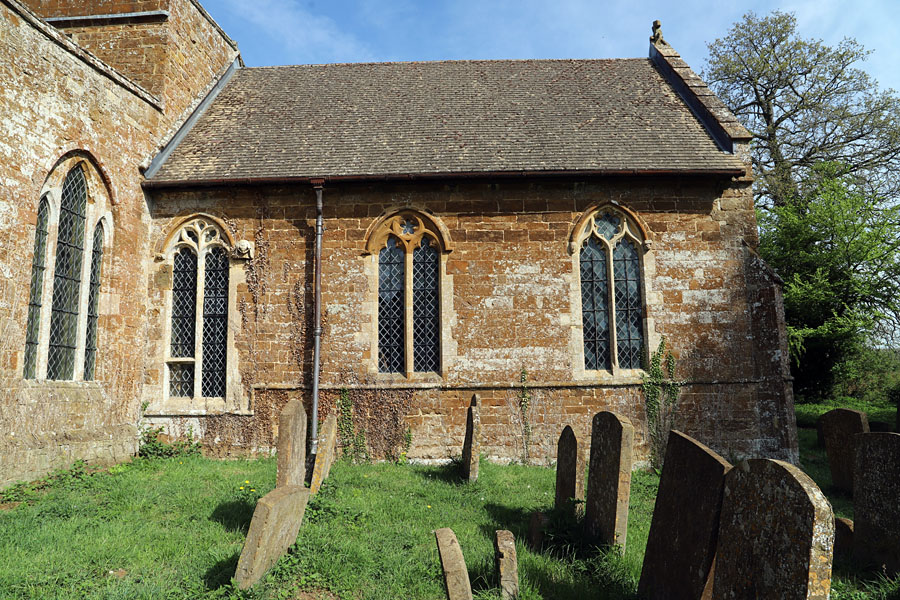
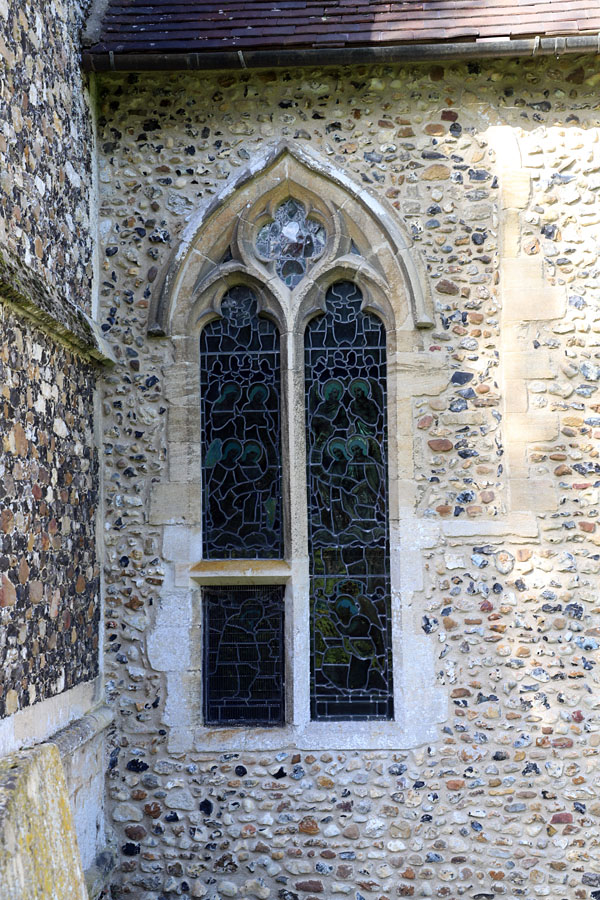
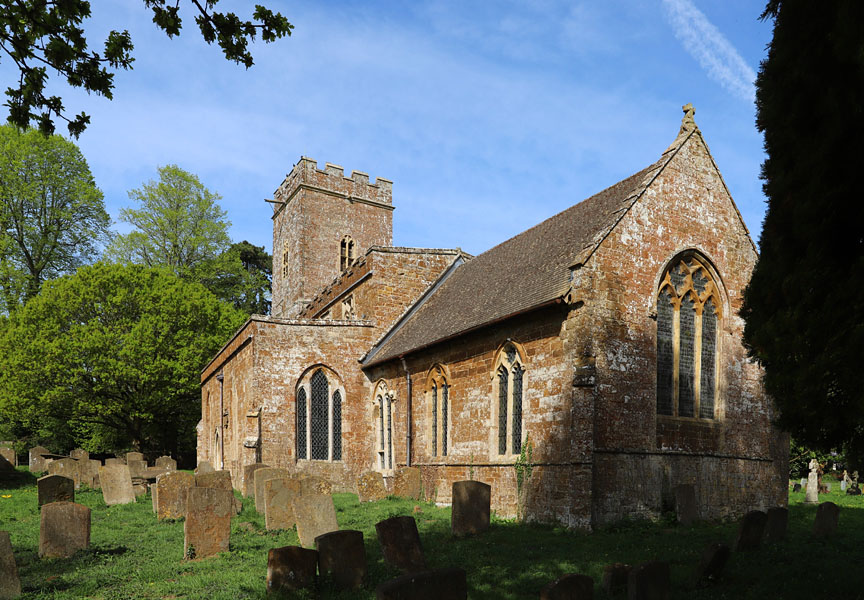
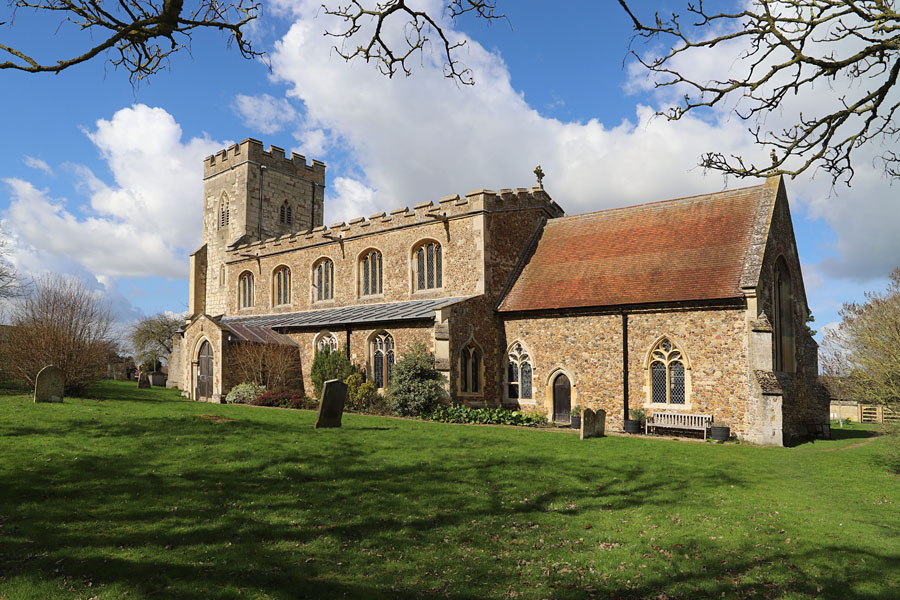
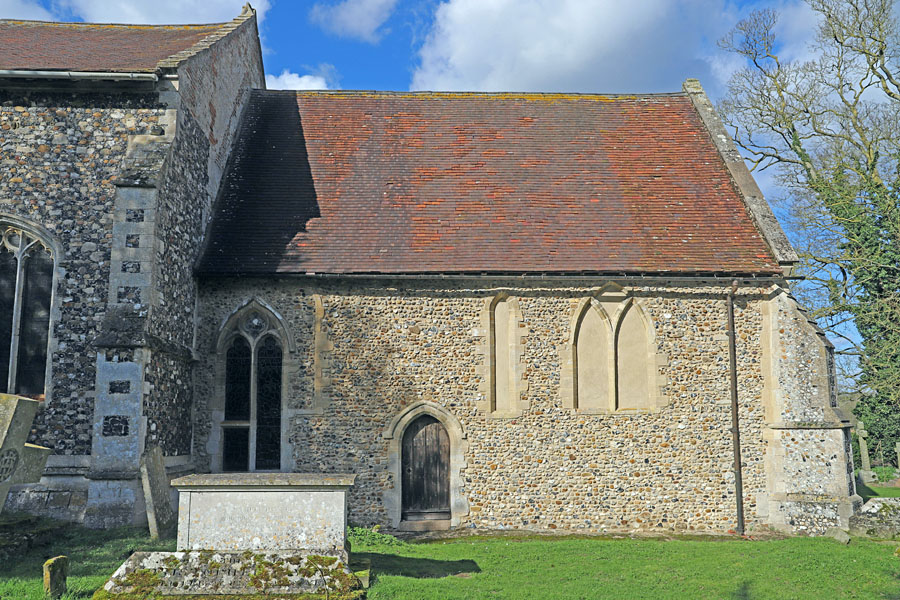
In this category of low side window a pre-existing window is close to the western end of the chancel, and low enough to have functioned as a confessional, with the penitent outside, and the confessor inside. The position of the existing window and proximity to the ground would lend itself to the traditional location in the church for confession to be heard; viz; at the junction of the nave and chancel. When confession was heard inside the church the penitent and confessor would probably have been separated by a curtain hung across the chancel screen. This is the most difficult of the categories of low side windows to interpret. In most cases it is not possible to say with any certainty due to paucity of records that the original window was low enough to function as a confessional, and easily modified with a transom, or, more simply by the fitting of an opening casement to accommodate a shuttered opening, or whether an original window was replaced entirely. At All Saints, Hawstead, Suffolk, for example, it is clear that an earlier c13 lancet has been replaced by a c14 Decorated two-light window which has had a transom incorporated in the westernmost light to form a low opening. It is uncertain whether it was designed that way from the outset, or modified at a later date. On the other hand, at St Mary's, Comberton, Cambridgeshire there are two identical Decorated two-light windows on the south side of the chancel, both of which are low enough to have been modified to provide a transomed low opening. However, only the westernmost light has been modified. In the case of St Giles, Wigginton, Oxfordshire, the westernmost lights on both the north and south side have been fitted with a transom anyway, but judging by the continuous string course which is lowered to accommodate the lower of the three windows on each side, these window are original, and the modifications incorporating a transom came later.
St Giles, Wigginton, Oxfordshire.
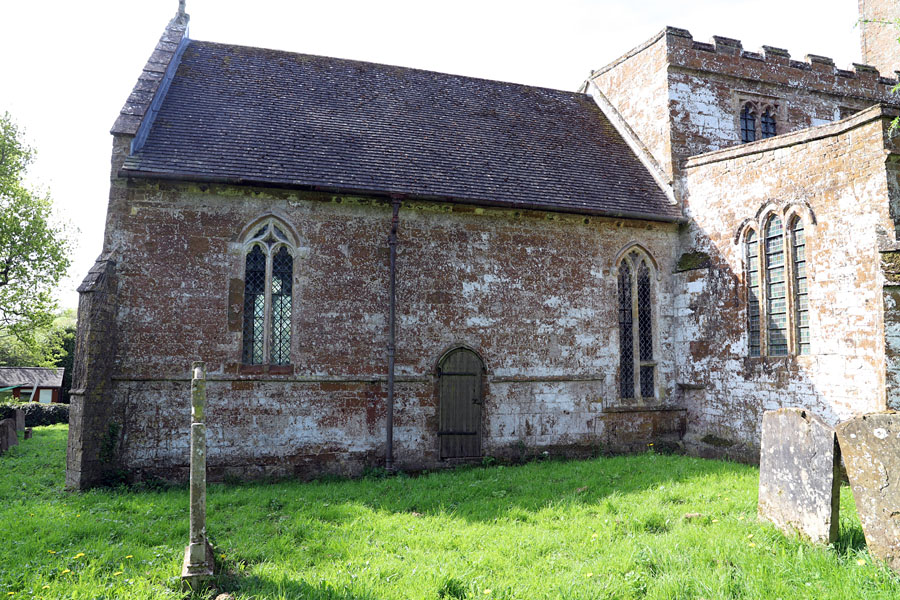
General view of the south side of the chancel. Note the continuous string course which is lowered to accommodate the westernmost window.


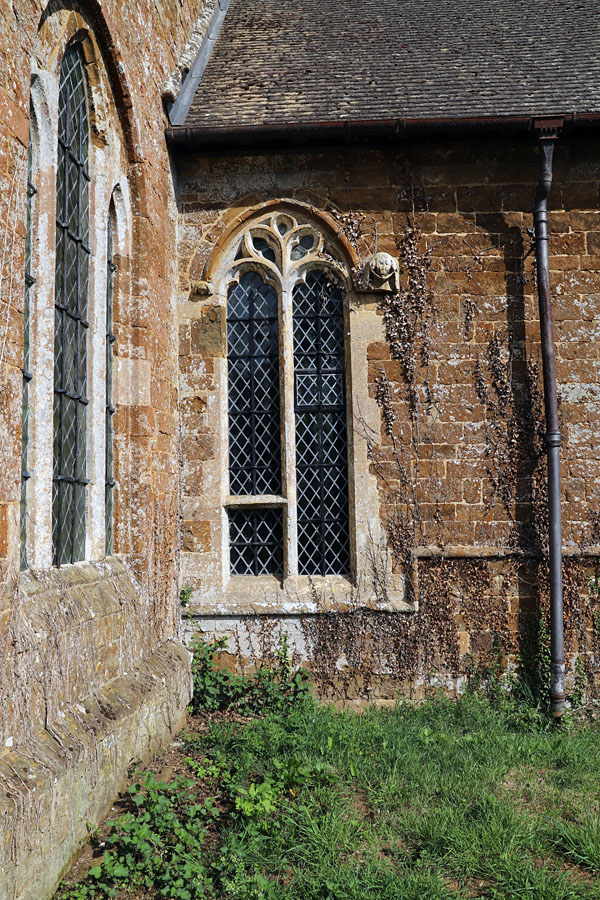
St Giles, Wigginton, Oxfordshire.
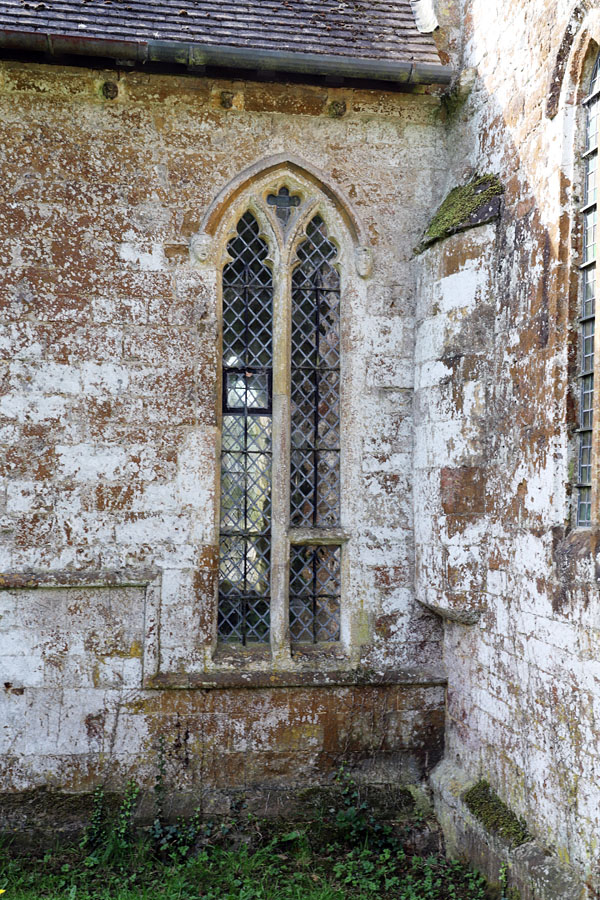
South low side window detail.

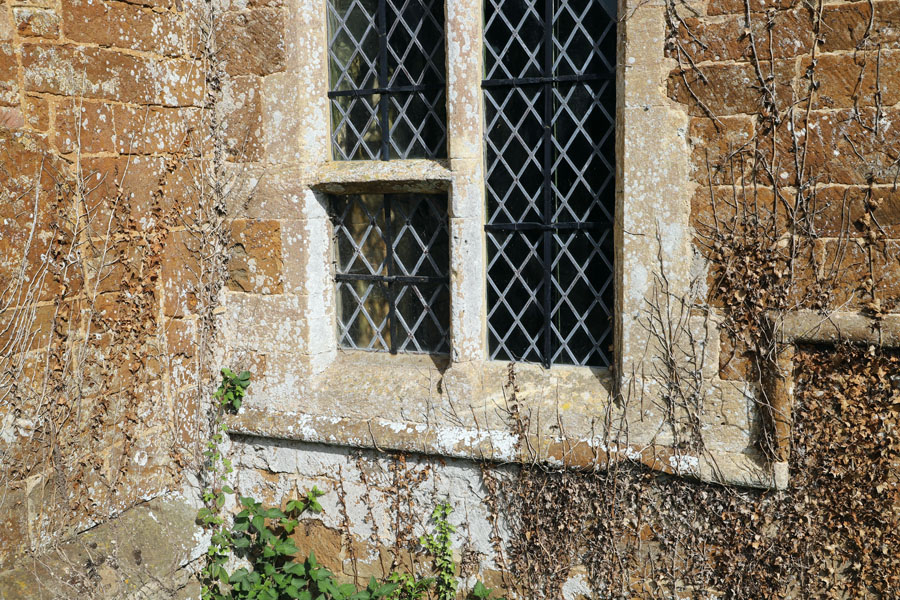
St Giles, Wigginton, Oxfordshire.
South low side window detail.

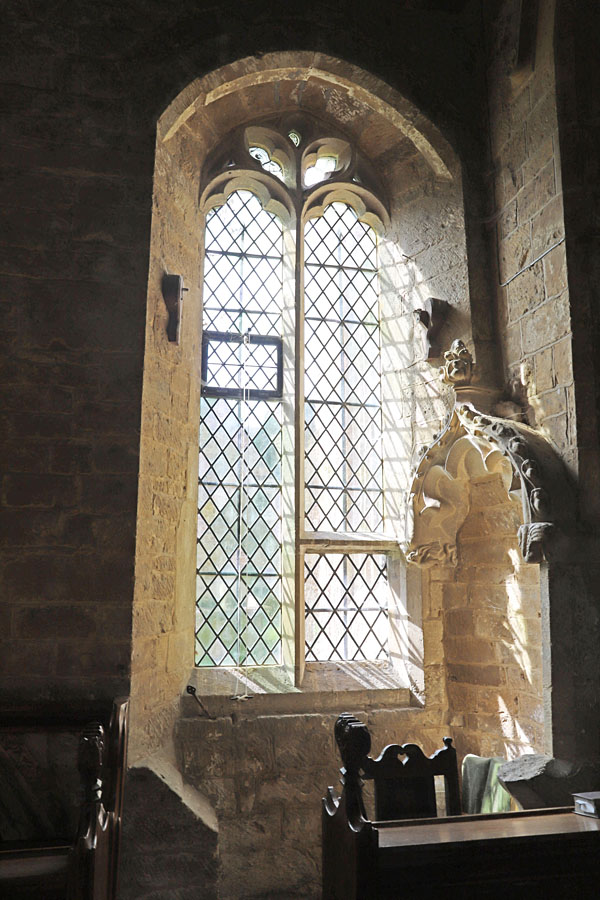
St Giles, Wigginton, Oxfordshire.

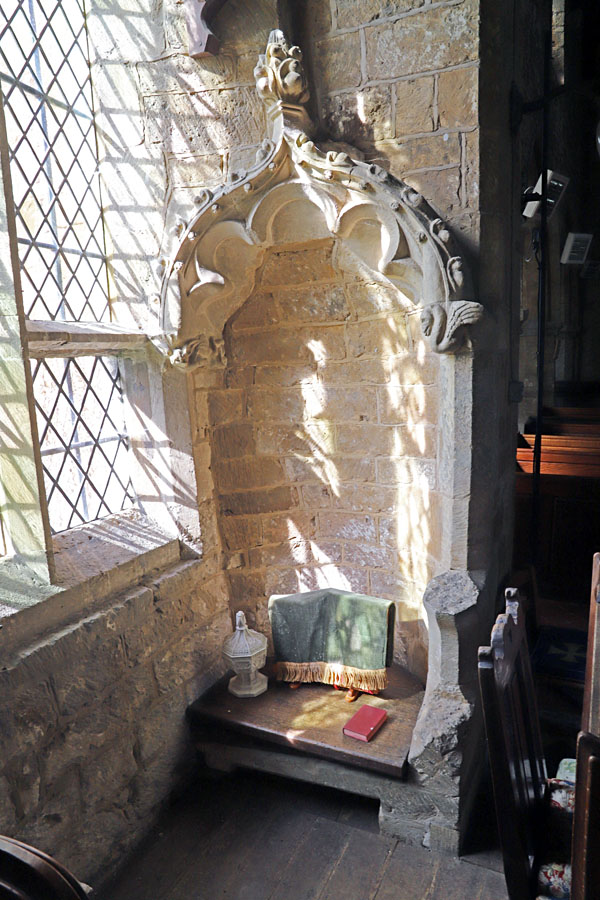
Internal detail. Perhaps the most unique feature of the south low side window in St Giles is the provision of an elaborate seat for the confessor under an ornate ogee canopy with accompanying animal sculptures.

St Giles, Wigginton, Oxfordshire.
Internal detail. Detail of the confessor's seat next to the low side window. Note the rebate for a wooden shutter.

St Giles, Wigginton, Oxfordshire.
General view of the north side of the chancel. Note the continuous string course running around the entire chancel. Here, as on the south side, the string course has been lowered to accommodate the lower window at the western end of the chancel. This window is almost identical to that on the south side, so is likely to have been installed as aprt of the same build programme.

St Giles, Wigginton, Oxfordshire.
North side low window detail.

St Giles, Wigginton, Oxfordshire.
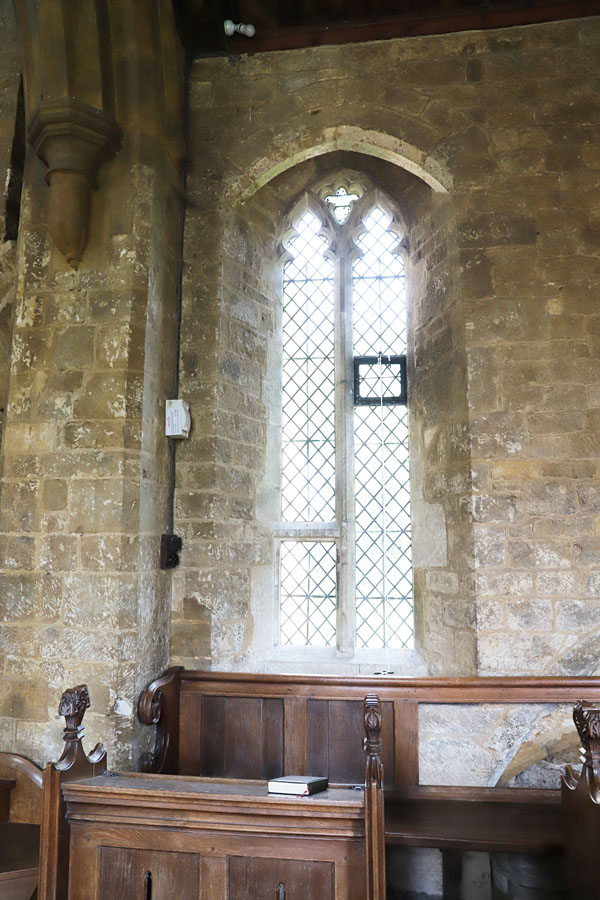
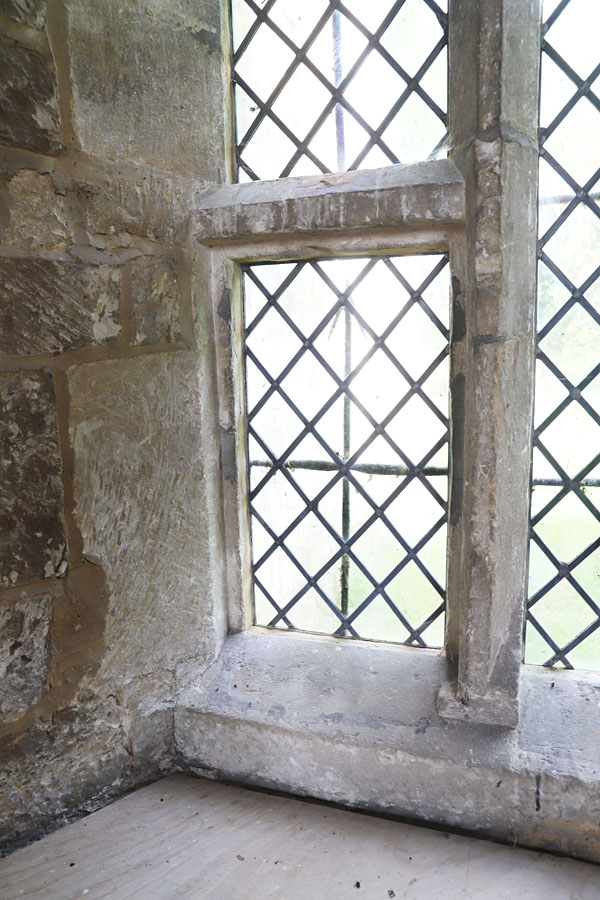
North side low window internal detail. This is very similar to its counterpart on the south side minus the confessor's seat.

St Giles, Wigginton, Oxfordshire.
North side low window internal detail.

St Giles, Wigginton, Oxfordshire.
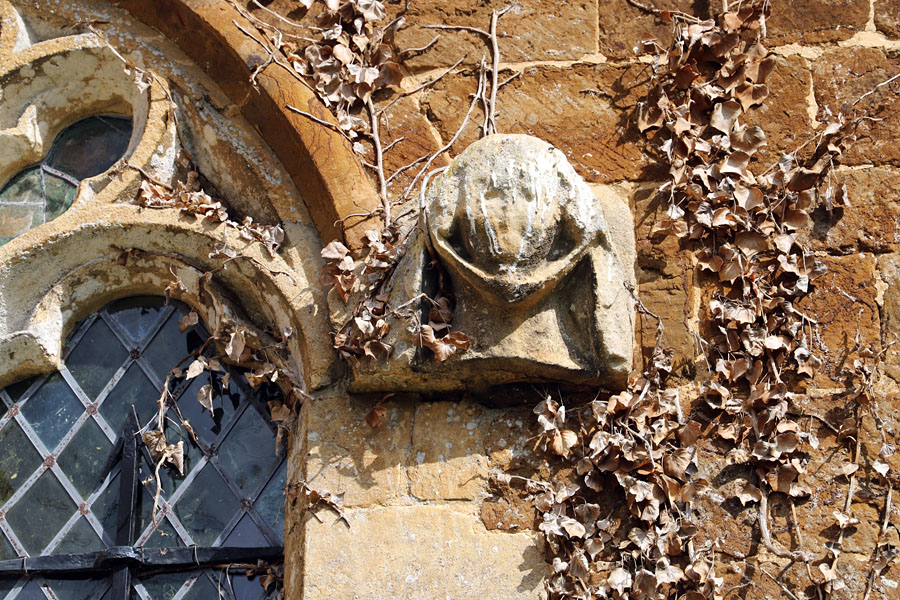
Another curious feature of the south side low window is a carving at the end of the hood mould. This appears to be a tonsured monk in a habit.

St Mary's, Comberton, Cambridgeshire.

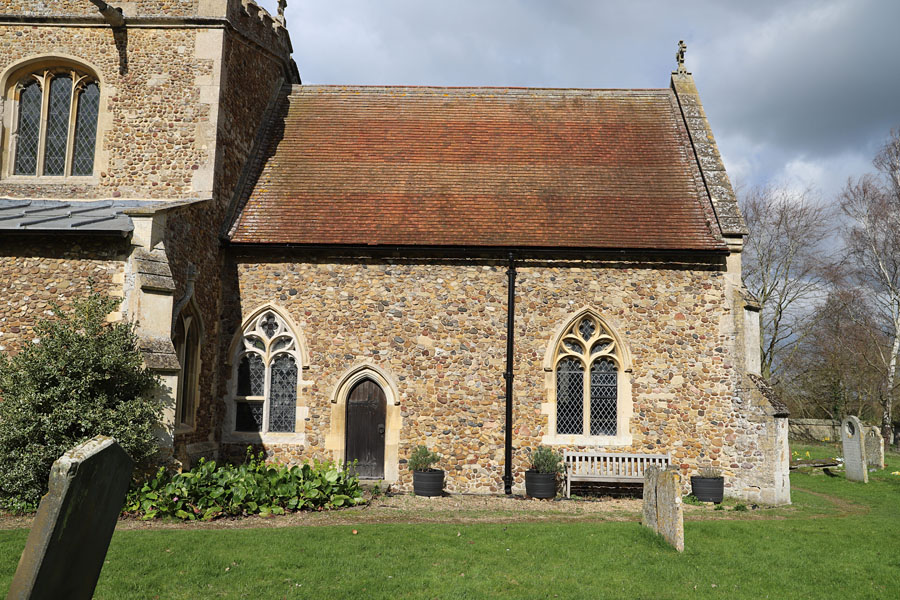
South side of the chancel. Note that both the early c14 windows are identical (though much restored), and are low enough to have been modified to accommodate a shutter. However, only the western light of the western window (which is in the correct (liturgical) location to function as a confessional) has been fitted with a transom.
St Mary's, Comberton, Cambridgeshire.

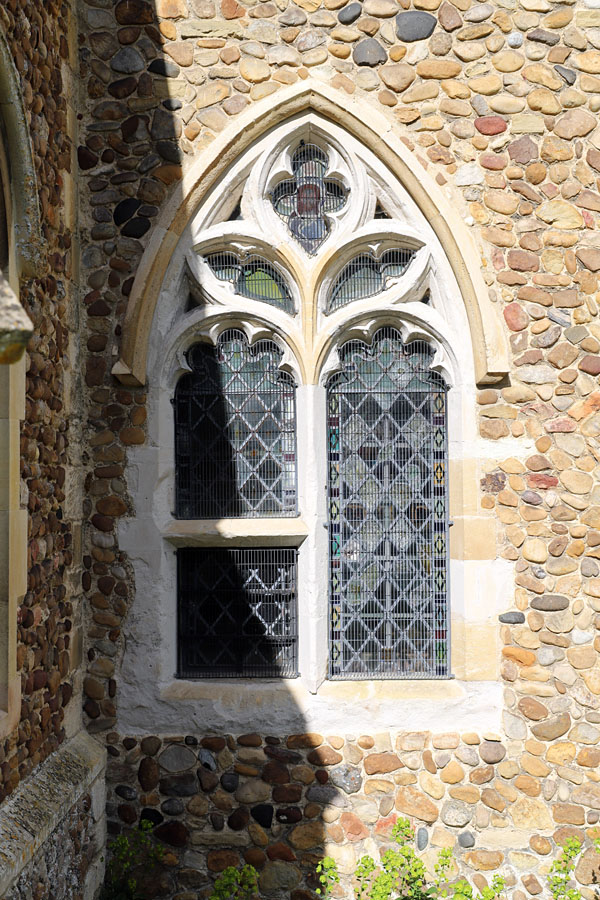
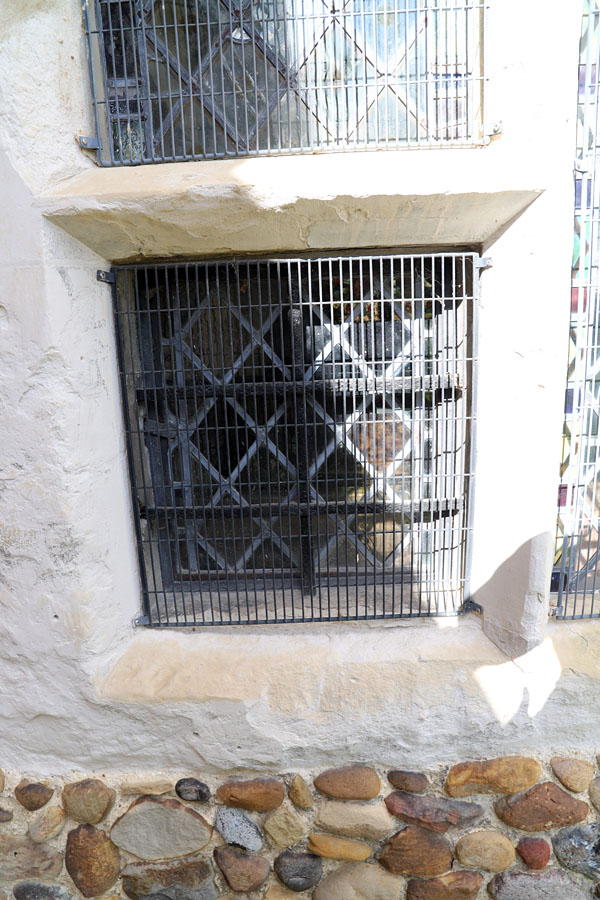
South low side window formed by the fitting of a transom in the westernmost light, closest to the western end of the chancel.
St Mary's, Comberton, Cambridgeshire.

South low side window detail. Note the iron bars still in situ.
St Mary's, Comberton, Cambridgeshire.

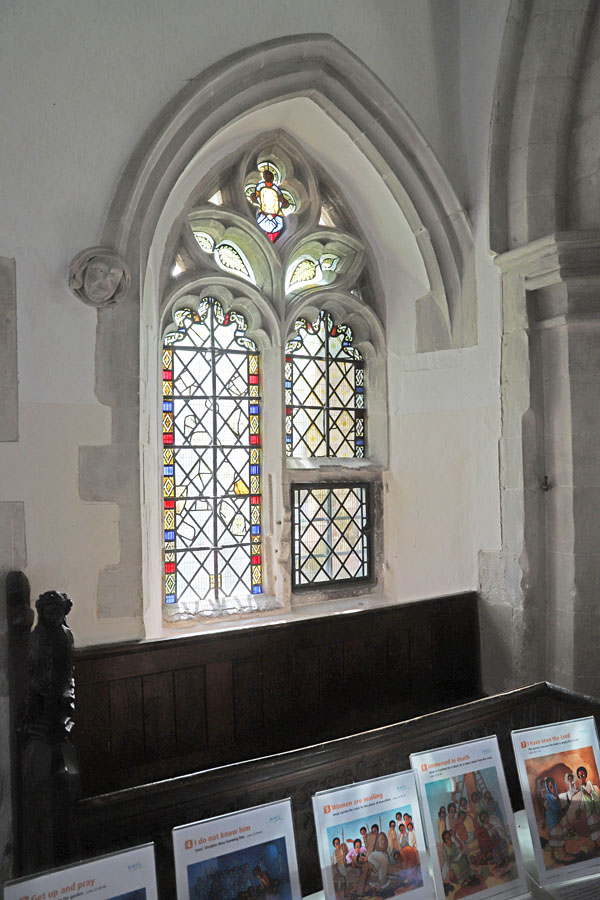
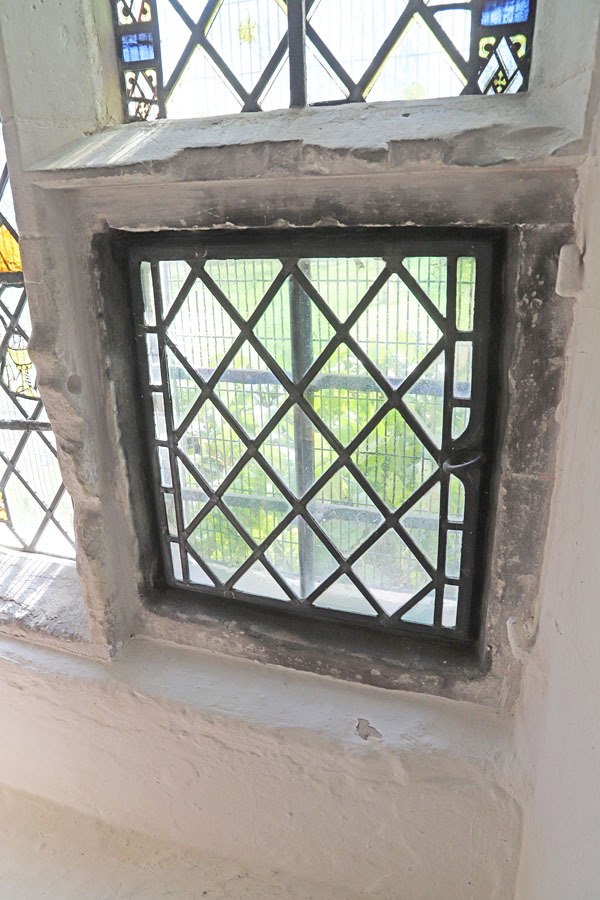
South low side window internal view. The jamb and mullion of the original window light has been modified to accommodate a wooden shutter.
St Mary's, Comberton, Cambridgeshire.

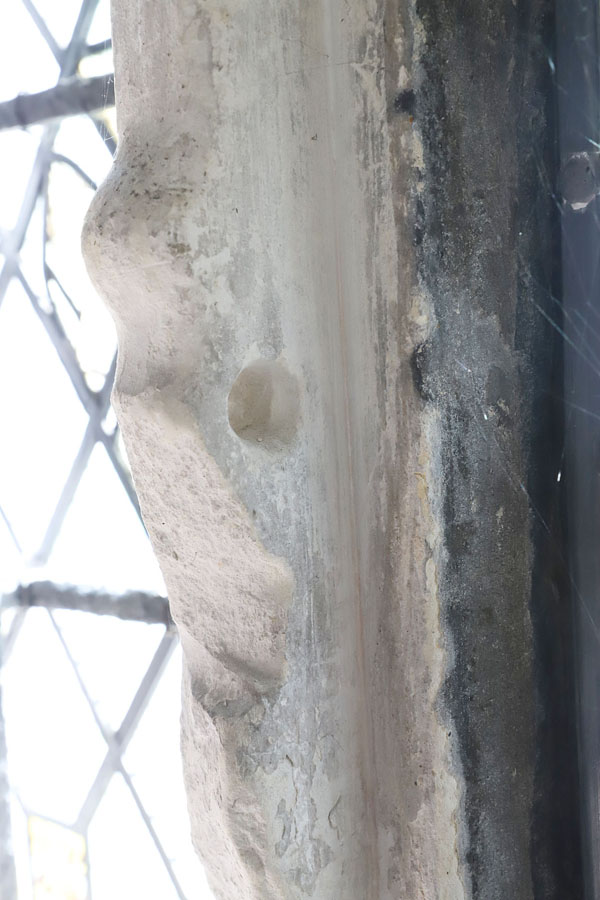
South low side window internal detail. The jamb and mullion of the original window light has been modified to accommodate a wooden shutter. The original hinge brackets are still in situ. Note the hole in the mullion for the shutter bolt.
St Mary's, Comberton, Cambridgeshire.

South low side window internal view. Detail of the bolt hole in the mullion.

All Saints, Hawstead, Suffolk.

South low side window detail. Note the c13 lancet jamb, sill, and part of the arch are still visible.


< Previous 1 2 3 4 5 6 7 8 9 10 11 12

All text and photos © Alan Spencer, except where otherwise stated; All Rights Reserved